
Epic Canadian Northern Lights, Bears and Whales Experience
British Columbia
14 nights
From
£5,849
pp

Top 10 things to do in Yukon Territory
For swathes of pristine wilderness, soaring mountain peaks, crystalline lakes, and a fair few gold rush tales, nothing beats Canada's Yukon. Here's our top 10 things to do in the country's westernmost outdoors playground, which stretches from the British Columbia border all the way up to the Arctic Ocean.
#1 Get a high-altitude view of Kluane National Park and Reserve
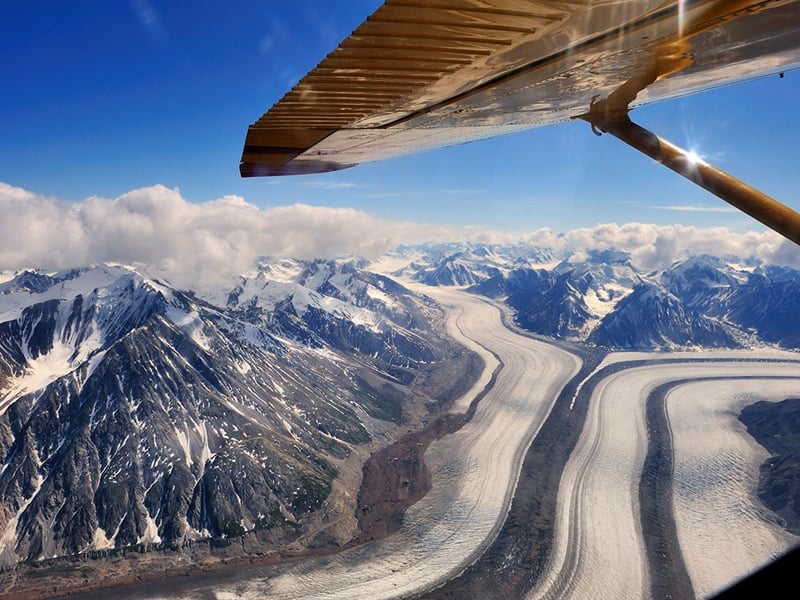
At ground level, this 8,499-square-mile UNESCO World Heritage Site is already spectacular — unclimbed peaks, wide green valleys, clear lakes, and the world's largest non-polar ice field. But it's from the air, on a prop plane or helicopter flight running between May and September, that its scale really lands: around 2,000 glaciers, some over a kilometre thick, and Mount Logan, at 5,959 metres Canada's highest peak and the second-highest in North America by elevation. Wildlife spotting is part of the appeal too — the park supports around 150 bird species along with Dall sheep, white-tailed deer, grizzly bears, caribou, moose and wolves.
#2 Explore the Yukon Wildlife Preserve
Twenty-five minutes from downtown Whitehorse, this 700-acre conservation area is home to 11 species of northern mammal in something close to their natural habitat, including woodland caribou, elk, mountain goat, Yukon moose, mule deer, muskox, thinhorn sheep, red and Arctic foxes and lynx. There are two ways to see it: a guided 90-minute interpretive bus tour (£14 per person) covering the five-kilometre loop, or a self-guided walking tour (£9 per person) at your own pace. It's worth knowing this is a non-profit, IWRC-member organisation focused on rehabilitating injured or orphaned animals for release back into the wild, rather than a conventional zoo — and it closes to visitors when the temperature drops below -40°C.

#3 Get out on the water by canoe, raft or kayak
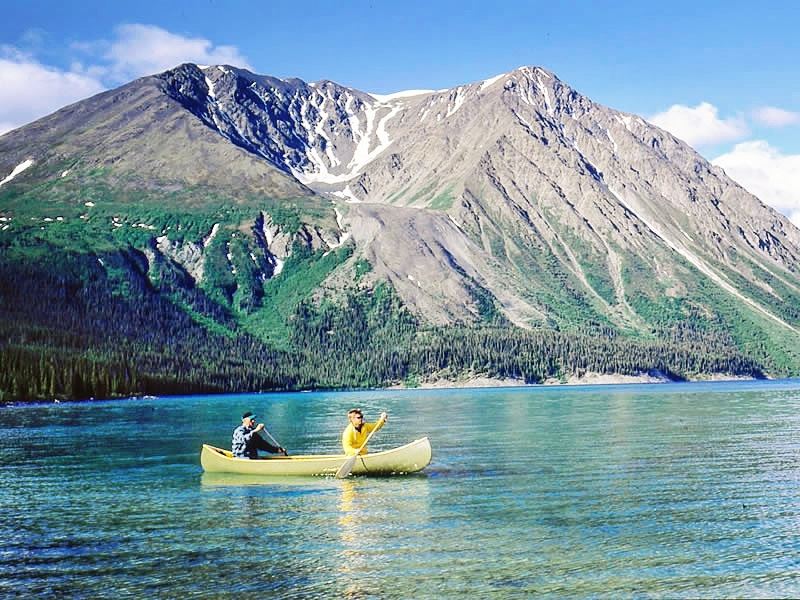
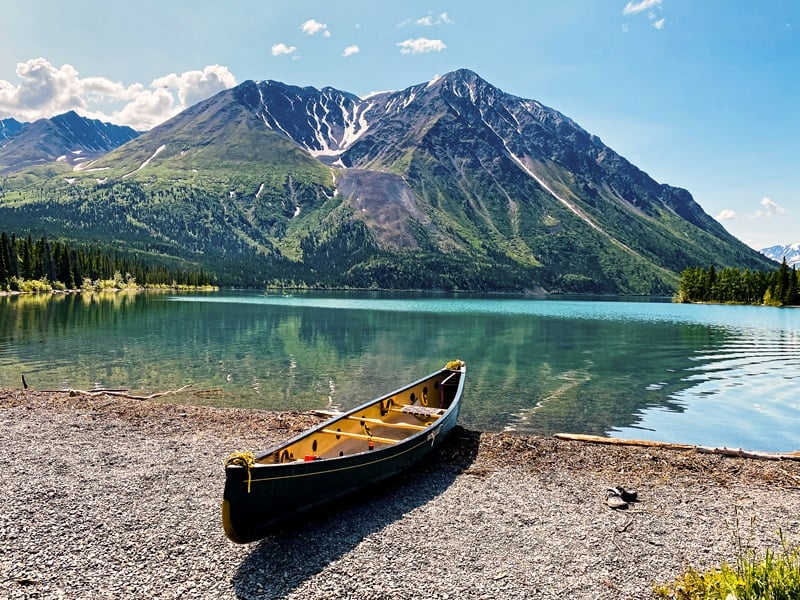
The Yukon has [some of the best wilderness paddling in Canada, ranging from established routes on the Teslin, Big Salmon and Yukon Rivers to more demanding whitewater on the Snake, Bonnet Plume, Wind, Alsek and Tatshenshini. For first-timers, or families with children, the Nisultin River is the better choice — flat, slow-moving, and good for spotting moose, bears, beavers, eagles and wolves along the way without the technical demands of the whitewater routes. Emerald Lake on the South Klondike Highway is worth a stop in its own right: the striking blue-green colour comes from sunlight reflecting off a layer of marl (calcium carbonate clay) on the lakebed. Most operators in the region provide equipment and transport for half- or full-day self-guided trips.
#4 Cycle the McDonald Creek Trail and Ridge Road Heritage Trail
The Yukon's mountain biking has a strong reputation, and for good reason. The 23.3km McDonald Creek Trail climbs Montana Mountain Road before dropping onto a fast, flowing historic wagon trail, passing Bennett Lake, Tin Cup, and a section named after long-time Carcross local and trailblazer Wayne Roberts. It takes three to six hours and suits strong, experienced cyclists rather than beginners. The 33km Ridge Road Heritage Trail — the Yukon's first government-built wagon road, once a supply route to the Dominion and Sulphur Creek mines — is a moderately challenging half-day ride from the Jackson Gulch Trailhead in Dawson City to the old Soda Station supply depot.

#5 Watch for the Northern Lights and make the most of the midnight sun
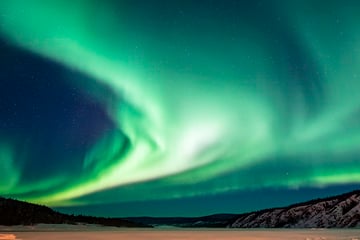
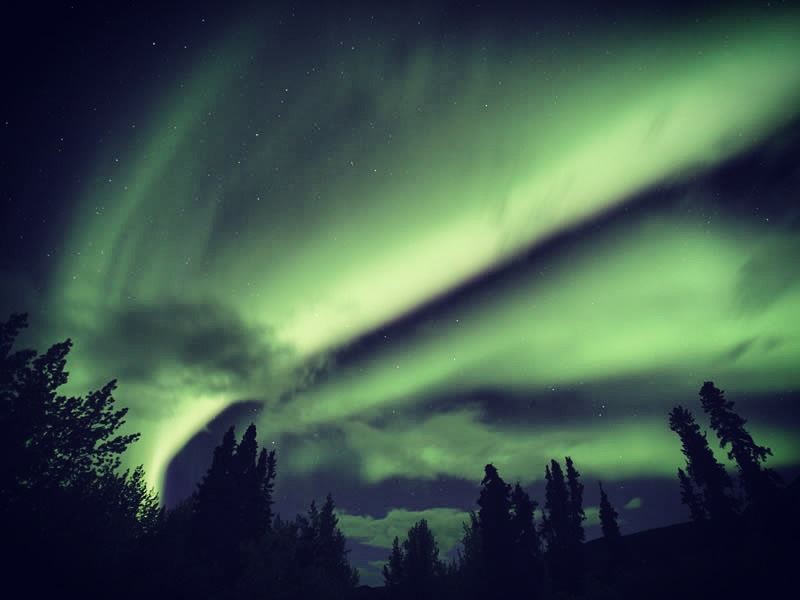
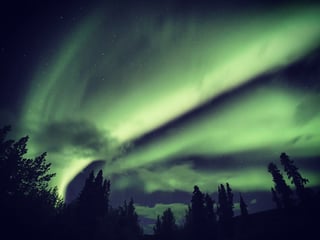
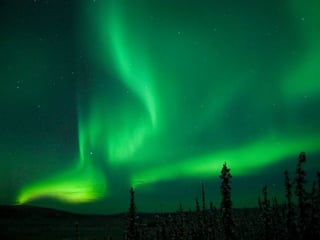
The Aurora Borealis rewards patience more than planning. Visit between late August and mid-April and there's a genuinely good chance of seeing the ribbons of green, pink, purple, red and white move across the sky, though it depends entirely on geomagnetic activity on the night — there's no guaranteeing a show. Expect a late night (activity typically peaks around midnight), warm layers, and a wide-angle lens with a sturdy tripod if photography is the goal. The clearest views tend to be just outside Whitehorse or at the Northern Lights Space and Science Centre in Watson Lake. In summer, the reverse phenomenon takes over: from the solstice on 21 June, the sun barely sets at all.
#6 Soak your stresses away at Eclipse Nordic Hotsprings
These hot springs have welcomed visitors for well over a century, and long before that were used by First Nations people, sitting just 30 minutes from downtown Whitehorse in the heart of the Yukon wilderness. Since the days of the original wood-and-canvas pool, the site has been transformed into Eclipse Nordic Hot Springs — a modern, adults-only retreat blending Scandinavian bathing rituals with Japanese onsen tradition. Guests move between several connecting rock-lined pools, including a deeper pool at around 40°C and a slightly cooler one at 35°C, both designed for swimming and floating rather than the sit-and-soak style of most thermal springs. The mineral-rich water — high in calcium, magnesium, iron, sodium, silica and potassium — is drained and refreshed daily, and paired with saunas, steam rooms and heated relaxation lounges for a full circuit experience. Time a trip for February, when the International Hair Freezing Contest takes over the pools during Whitehorse's Sourdough Rendezvous festival — dunk your head in the water, let it freeze solid in the minus-30°C air (it takes under a minute), then style accordingly for the photo. Please note that Eclipse is strictly for guests aged 19 and over.

#7 Lace up your boots for the famous hiking trails
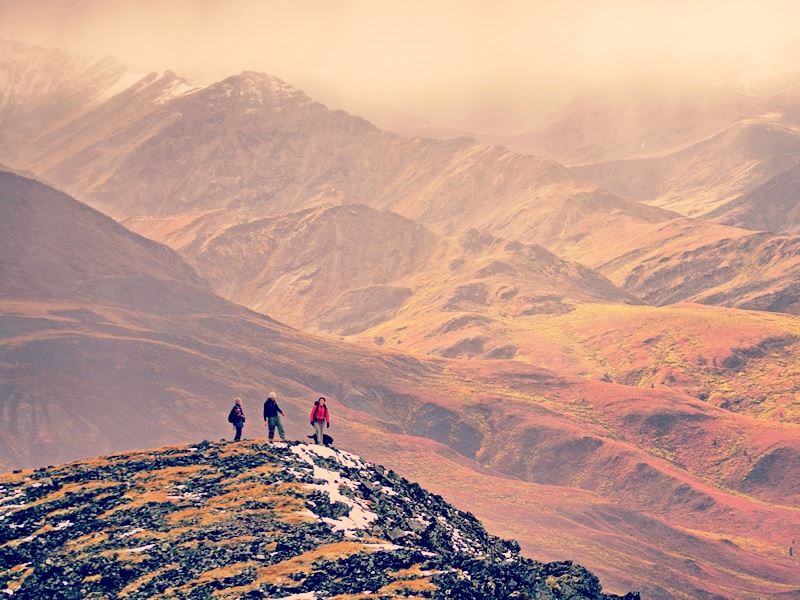
Across its 186,661 square miles, the Yukon offers everything from leisurely day walks to multi-day wilderness treks. The best-known route is the 33-mile Chilkoot Trail, which follows the path Gold Rush stampeders took through the Coast Mountains from the Alaskan ghost town of Dyea to Bennett, British Columbia. It's a genuinely tough three-to-five-day trek, and part of what makes it compelling is what's still there — abandoned boats, wagons, tram wheels and stoves left behind by the original pioneers. For something equally rewarding but different in character, the Montana Mountain Trail has old mining ruins and full-day alpine climbs, the Angelcomb Peak Trail overlooks the East Blackstone River, and the Nares Mountain Trail offers wind-scoured ridgelines. For a gentler introduction, the Fish Lake Trail near Whitehorse is an easy walk through grassy hills and spring flowers to a cold alpine lake.

#8 Learn about the Klondike Gold Rush in Dawson City
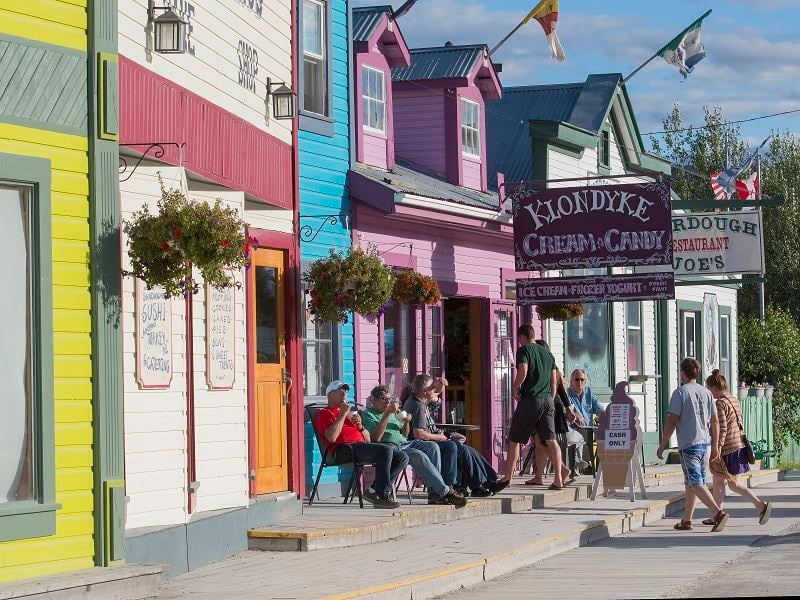
Dawson City grew up near the confluence of the Yukon and Klondike Rivers after gold was discovered on Bonanza Creek in 1896, and it remains the heart of that story. Worthwhile stops include panning for gold on a Goldbottom Mine Tour, the steamship paddle-wheeler graveyard, and the can-can shows at Diamond Tooth Gertie's — which, despite its Gold Rush-era styling, is actually a modern institution, opened in 1971 as Canada's first legal gambling hall, not a survivor from the 1890s itself. Beyond that, the ODD Gallery at the Klondike Institute for Arts and Culture, the Jack London Museum, and a Sourtoe Cocktail at the Sourdough Saloon (a real amputated toe is the garnish — not for everyone) round out the town. For history that goes deeper than the tourist trail, Discovery Claim on Bonanza Creek marks the exact spot where Skookum Jim, Dawson Charlie and George and Kate Carmack struck gold on 16 August 1896, setting off one of the largest migrations of the 19th century.
#9 Take on a backcountry adventure in Tombstone Territorial Park
This 2,200-square-kilometre expanse of jagged peaks in the Ogilvie Mountain Range was established in 1999 following a land agreement with the Tr'ondëk Hwëch'in First Nation. It's a serious undertaking rather than a casual day out — a six-hour drive or 45-minute flight from Whitehorse, and once there, the Tombstone Interpretive Centre is the essential first stop for trail maps, camping permits and current conditions. The park protects more than 70 First Nation ecological sites and is home to caribou, moose, grizzly bears, wolves and around 130 bird species, including the Gyrfalcon, the largest falcon species. Established routes like Hart Winter Road, Goldensides, Angelcomb, Grizzly Creek and Foxy Creek are genuinely remote — worth flagging honestly: there's no mobile signal for miles, so these trails suit experienced hikers who are comfortable being off-grid, not casual walkers.

#10 Check out the Yukon's flourishing arts scene
The [arts scene in Yukon](https://www.canadiansky.co.uk/yukon-territory-holidays/exploring-yukons-thriving-art-scene) has grown considerably, particularly in Whitehorse, which has more artists per capita than any other Canadian capital. The North End Gallery on the Whitehorse Waterfront is the standout stop for original paintings and prints by both classic and contemporary Yukon artists, with a dedicated section for First Nations work — masks, carved panels and drums, gold-nugget jewellery, etchings, and Inuit sculpture. If time allows, the Arts Underground (Yukon Art Society members), the Yukon Artists At Work Gallery (emerging and established talent), and the Fortymile Gold Workshop, where the resident goldsmith works in full view of visitors, are all worth adding on. Visiting in August, look out for the Yukon Riverside Arts Festival in Dawson City, which brings exhibitions, workshops and a town-wide gallery hop.

Planning a Yukon trip?
Take a look at our range of Yukon holidays here

Sign up to our newsletter
Be the first to know about our exclusive offers and holiday inspiration by email.